Gökçeada360 stories
Villages
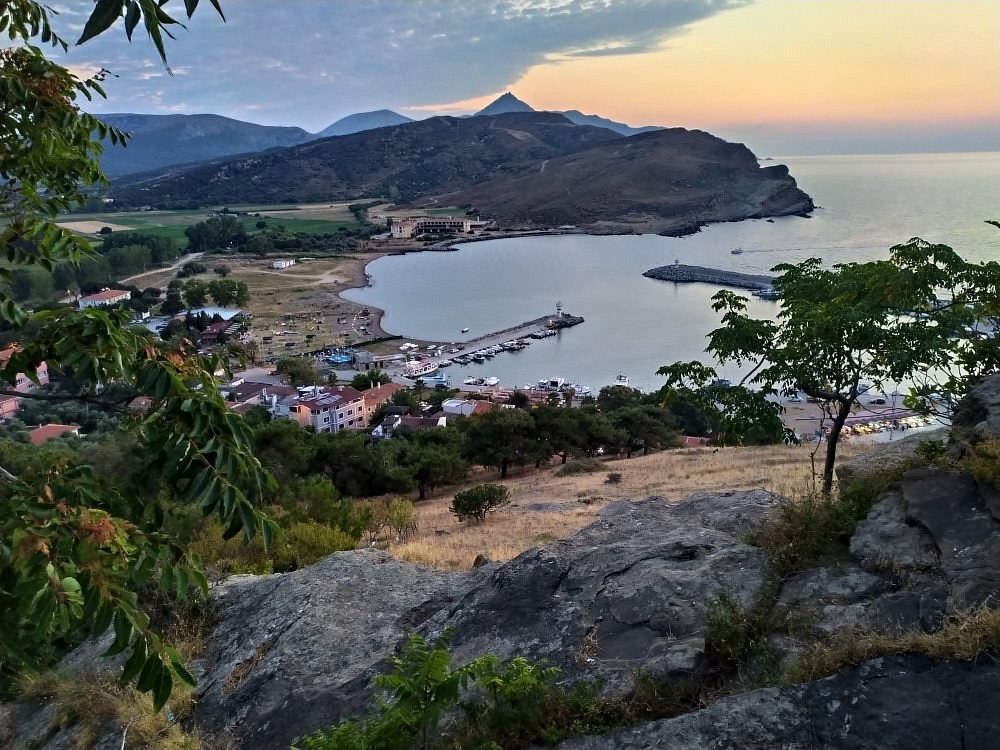
KALEKÖY
KALEKÖY
Once a long-established settlement where Greek and Turkish families engaged in agriculture and olive cultivation, the village has a rich cultural heritage. Its architecture and social fabric reflect a blend of the agricultural traditions and neighborhood customs of both cultures.
Today, it is one of the island’s most popular spots for breathtaking views and spectacular sunsets. Known for its restored stone houses, boutique hotels, and local cafés, the village attracts visitors with its traditional Turkish coffee and mastic pudding, making it a charming and authentic destination for island tourism.
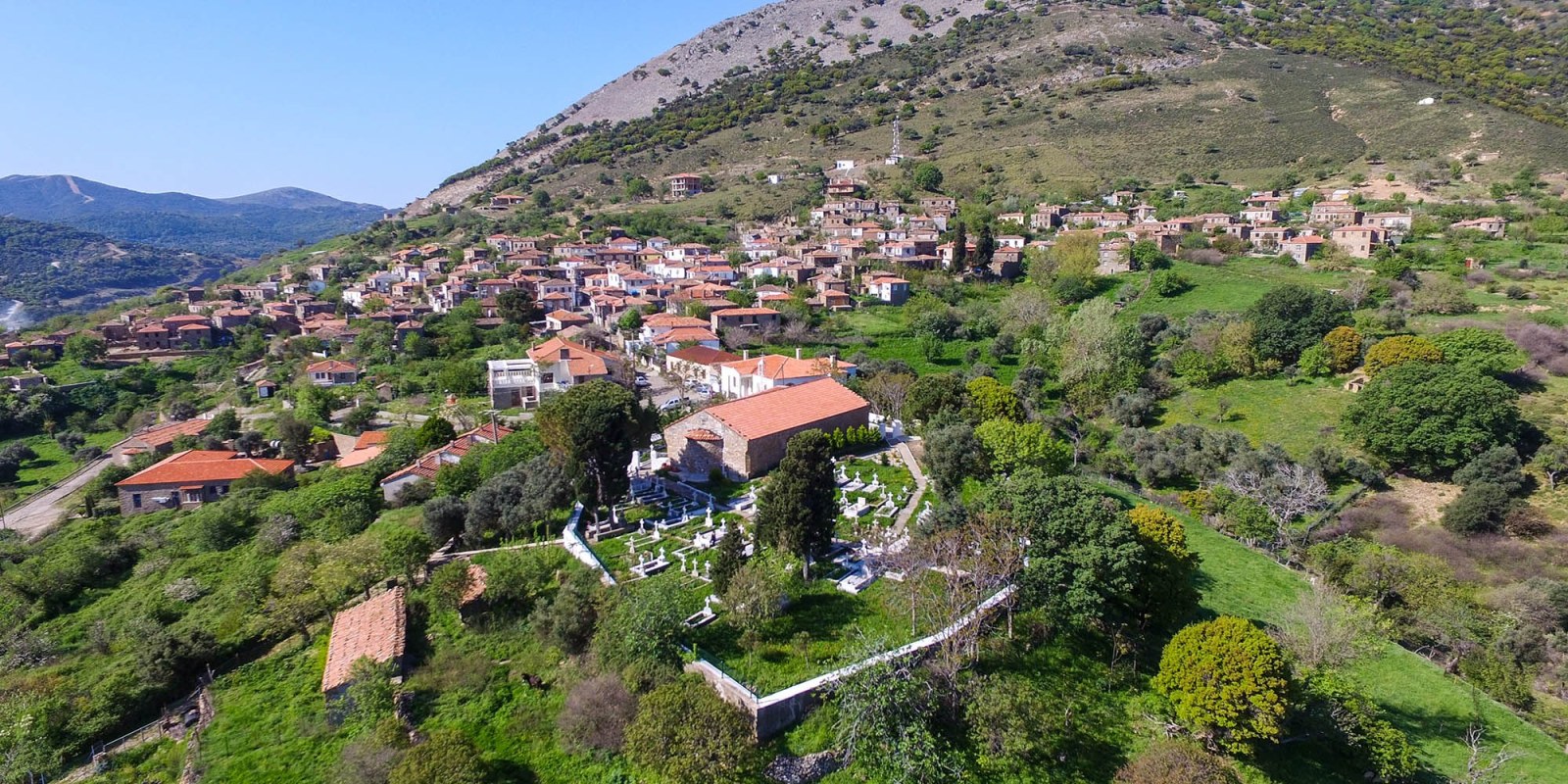
ZEYTİNLİKÖY
ZEYTİNLİ
Past Era: It is one of the oldest villages on the island. In the past, it served as a collaborative production center where residents engaged in olive oil production and developed craftsmanship together.
Present & Tourism: It is among the best-preserved villages regarding historical texture. Famous for its narrow stone streets and the sycamore-shaded coffeehouse, Madam's Place offers homemade gum ice cream and pounded coffee, serving as the primary tourist attraction drawing visitors to the village.
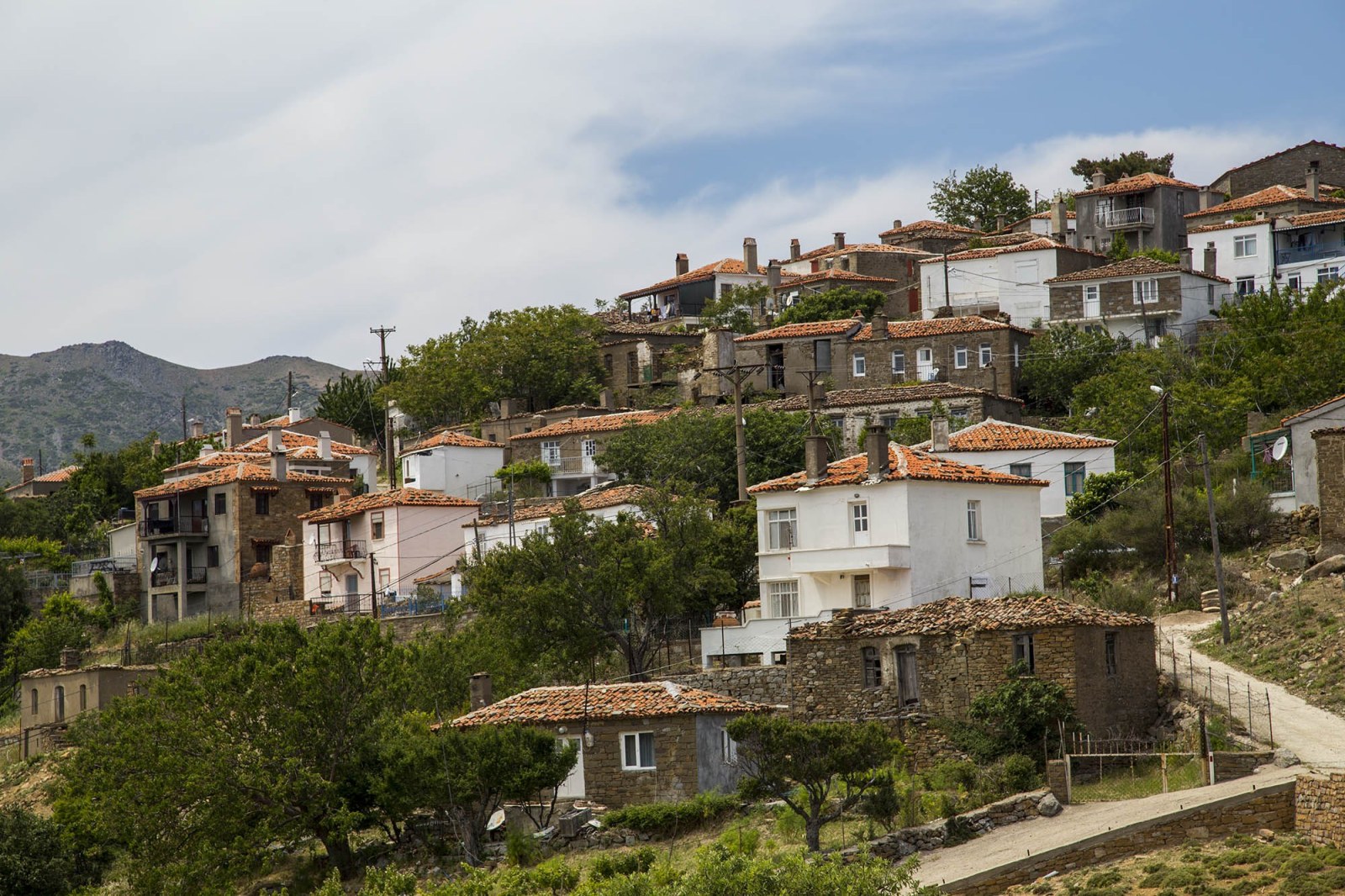
TEPEKÖY
TEPEKÖY
Past Era: It is the highest-altitude village on the island. Renowned throughout history for viticulture, winemaking, and livestock breeding, it once hosted a large population while establishing strong economic and commercial ties with other surrounding settlements.
Present & Tourism: It stands out with its magnificent view overlooking Samothraki Island and the Aegean Sea. Historic structures within the village are well-preserved. Today, it is a hub of the island's gastronomy and cultural tourism, particularly known for its taverns offering dinners, local delicacies, and homemade wines.
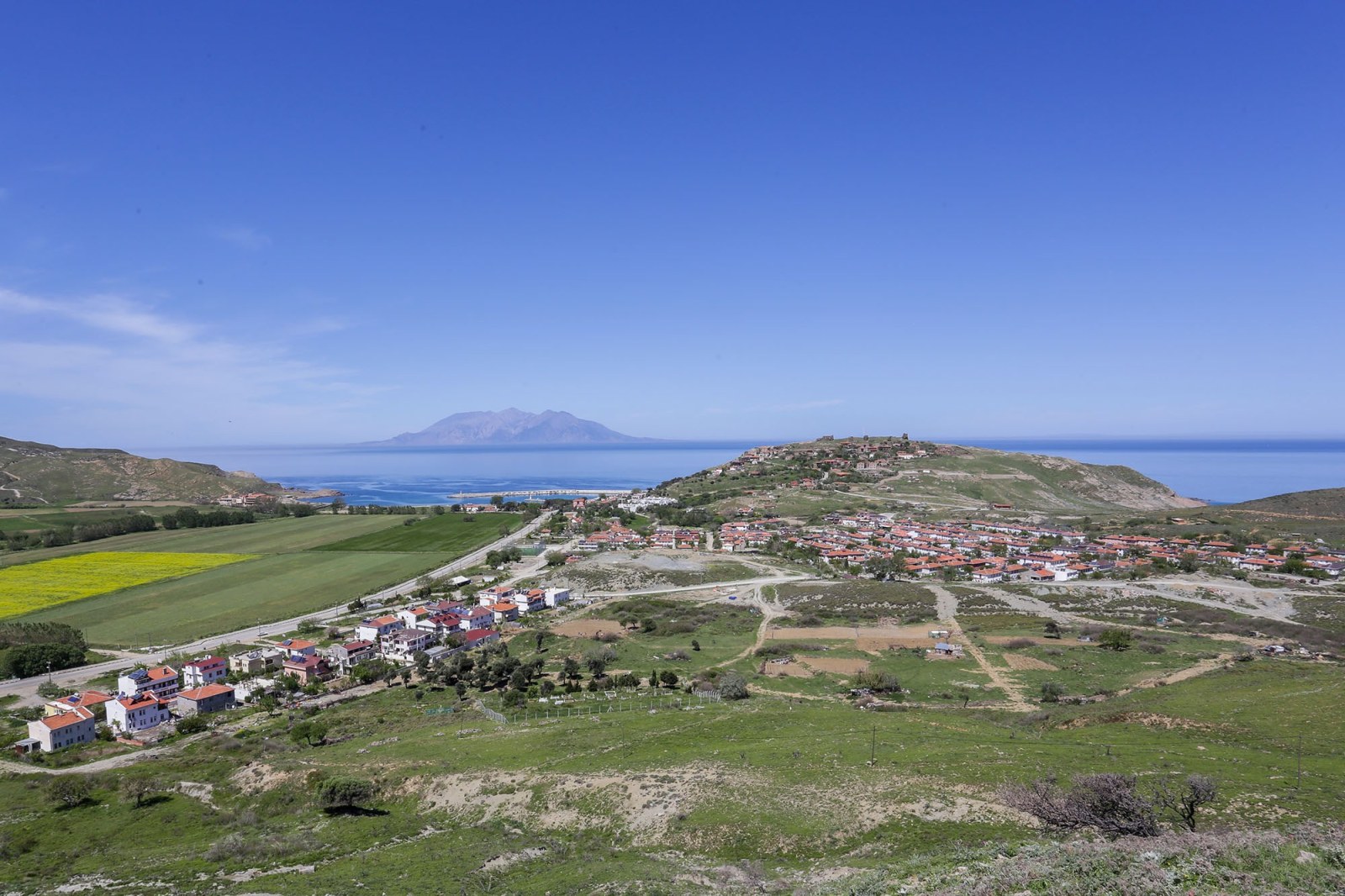
YENİBADEMLİ
YENİBADEMLİ
Past Era: Surrounded by vast almond trees, the village was a long-standing settlement where different families engaged in agriculture and olive growing. The village's architecture and social fabric blended shared agricultural production and neighborly traditions.
Present & Tourism: It is one of the island's most popular viewpoints and sunset spots. Famous for its restored stone houses, boutique hotels, and local cafes, it is an aesthetic tourism stop flocked to by tourists seeking traditional Turkish coffee and gum pudding.
ESKİ BADEMLİ
ESKİ BADEMLİ
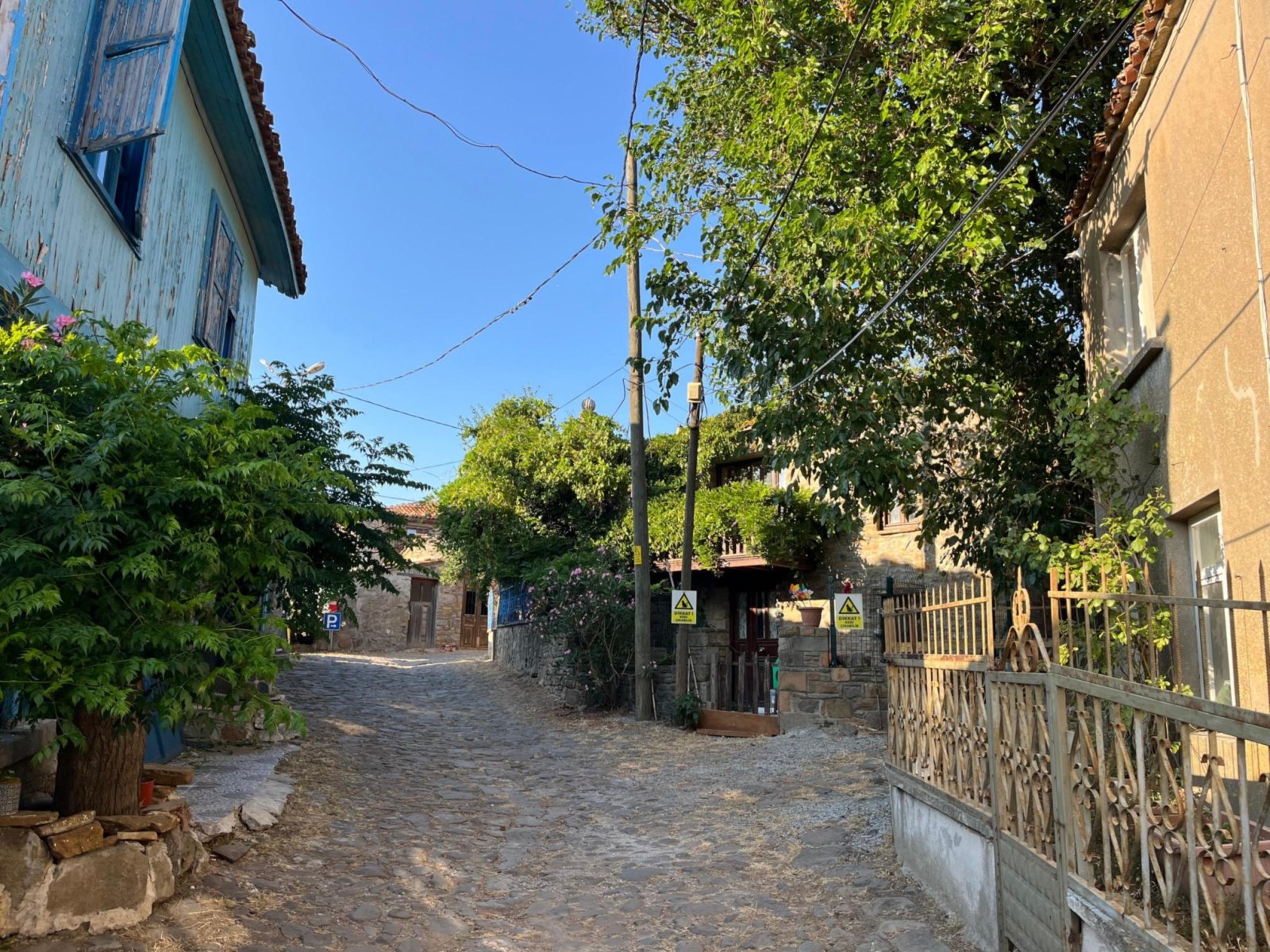
Past Era: Surrounded by vast almond trees, the village was a long-standing settlement where different families engaged in agriculture and olive growing. The village's architecture and social fabric blended shared agricultural production and neighborly traditions.
Present & Tourism: It is one of the island's most popular viewpoints and sunset spots. Famous for its restored stone houses, boutique hotels, and local cafes, it is an aesthetic tourism stop flocked to by tourists seeking traditional Turkish coffee and gum pudding.
EŞELEK
EŞELEK
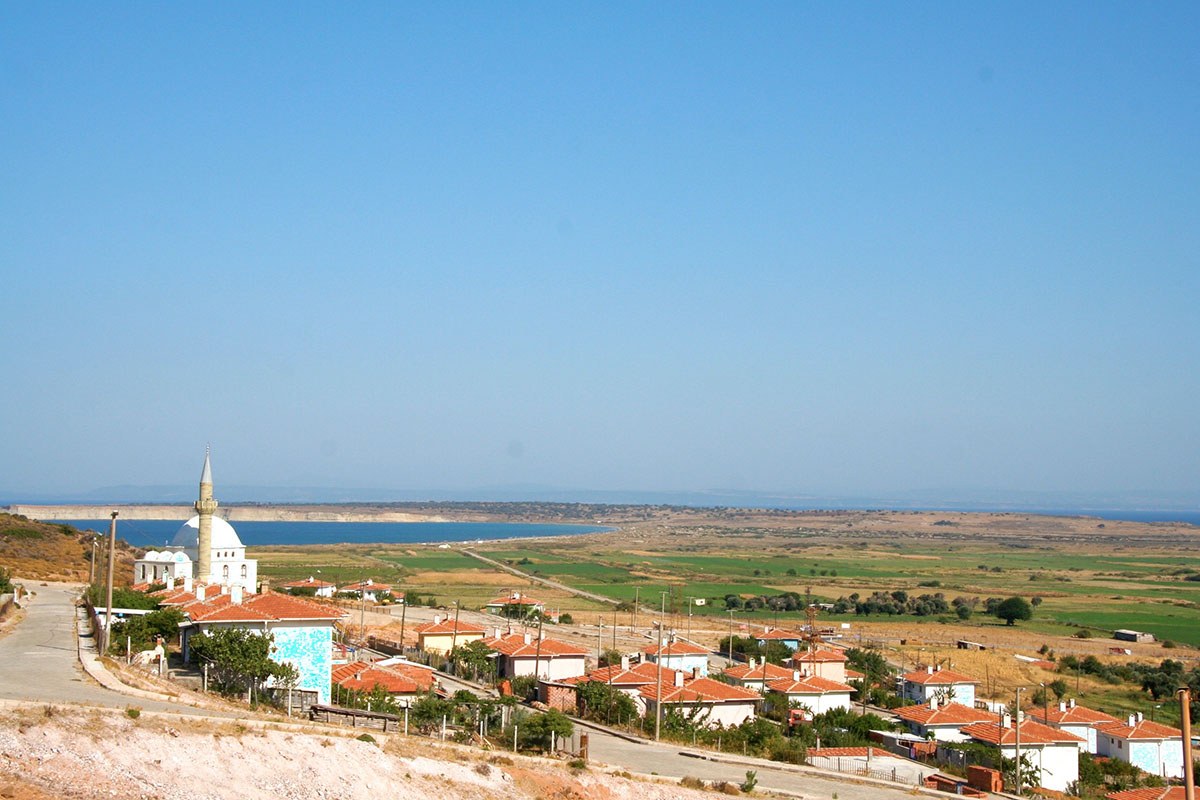
Past Era: It is one of the villages carrying the island's agricultural production power. Historically, it has existed as a production village where people from different regions blended their agricultural traditions.
Present & Tourism: With its expansive greenhouses and agricultural lands, it meets the island's fruit and vegetable needs. At the same time, the adjacent Kefaloz beach is a world-renowned center for extreme water sports like windsurfing and kitesurfing, thereby drawing international sports tourism to the island.
ŞAHİNKAYA
ŞAHİNKAYA
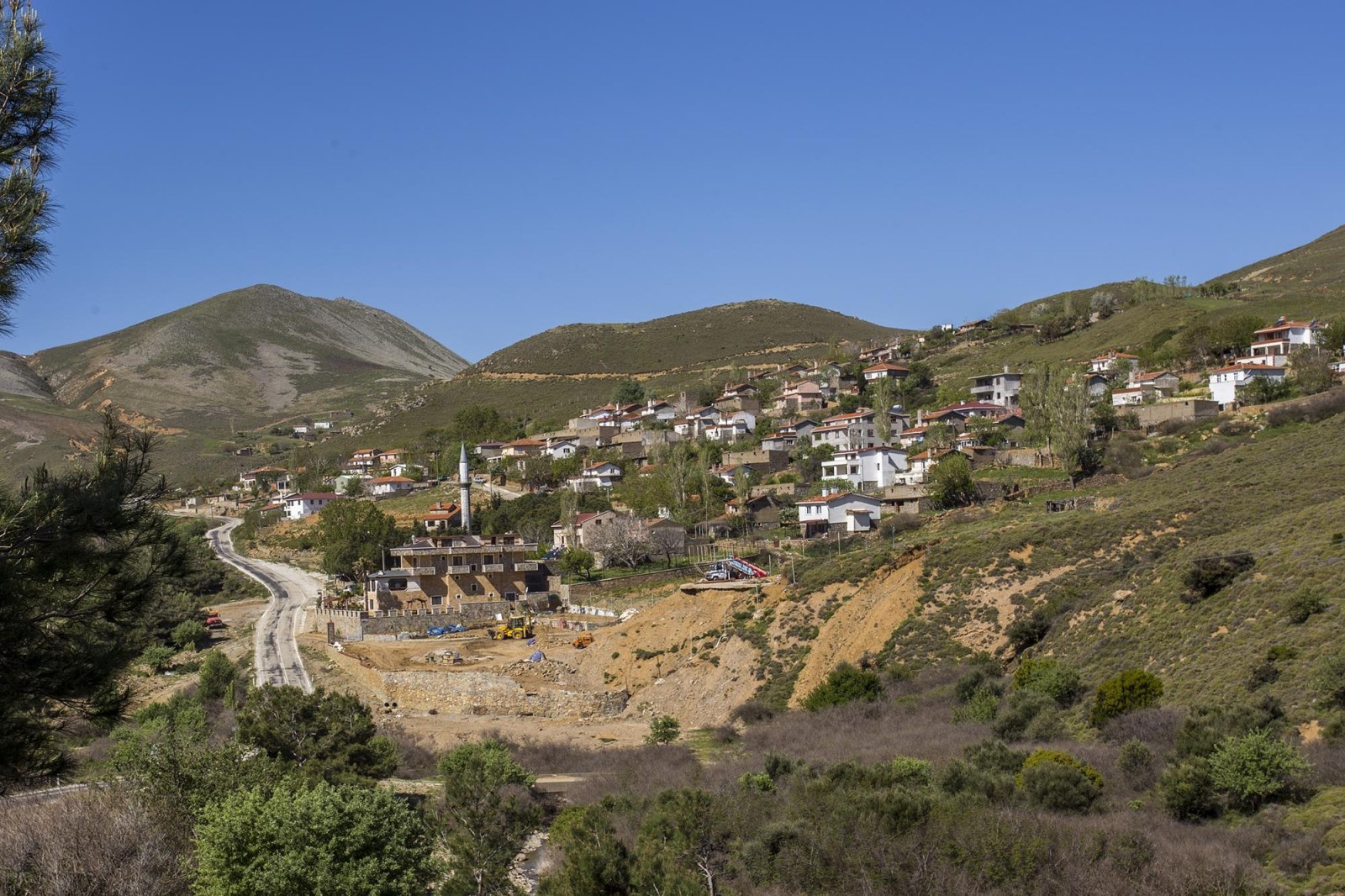
Past Era: It is an old settlement built upon steep cliffs. Subsisting on livestock and mountain farming in the past, the village was an isolated yet rich rural living space in the interior of the island.
Present & Tourism: It is one of Gökçeada's quietest and least explored villages. It is a frequent stop for travelers who wish to stay away from mass tourism, go trekking, and feel the island's tranquil past.
UĞURLU
UĞURLU
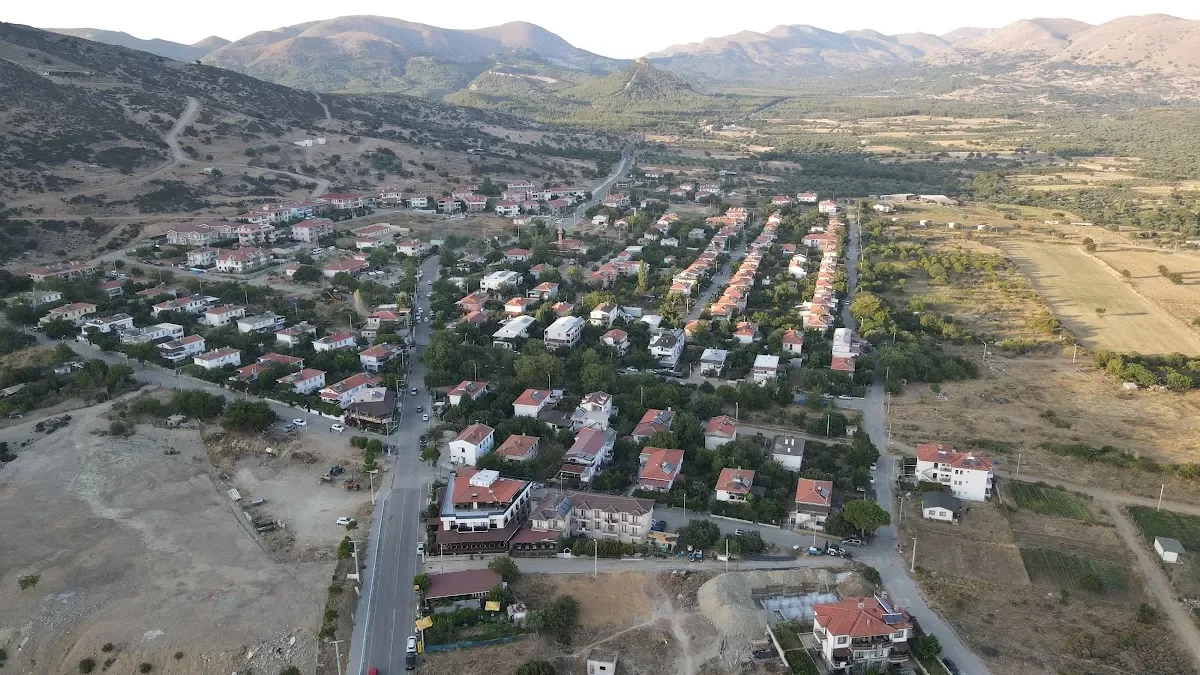
Past Era: Located on the fertile plain at the western tip of the island, it is a rural area that bears the traces of a shared life established with the sea and land by people of diverse origins through fishing, agriculture, and maritime trade.
Present & Tourism: It is famous for its long beach and Secret Port (Gizli Liman). Today, it is a hub for marine tourism, camping, and caravanning. It is flooded with vacationers in the summer months due to its fish restaurants, quiet bays, and sunset views.
ŞİRİNKÖY
ŞİRİNKÖY
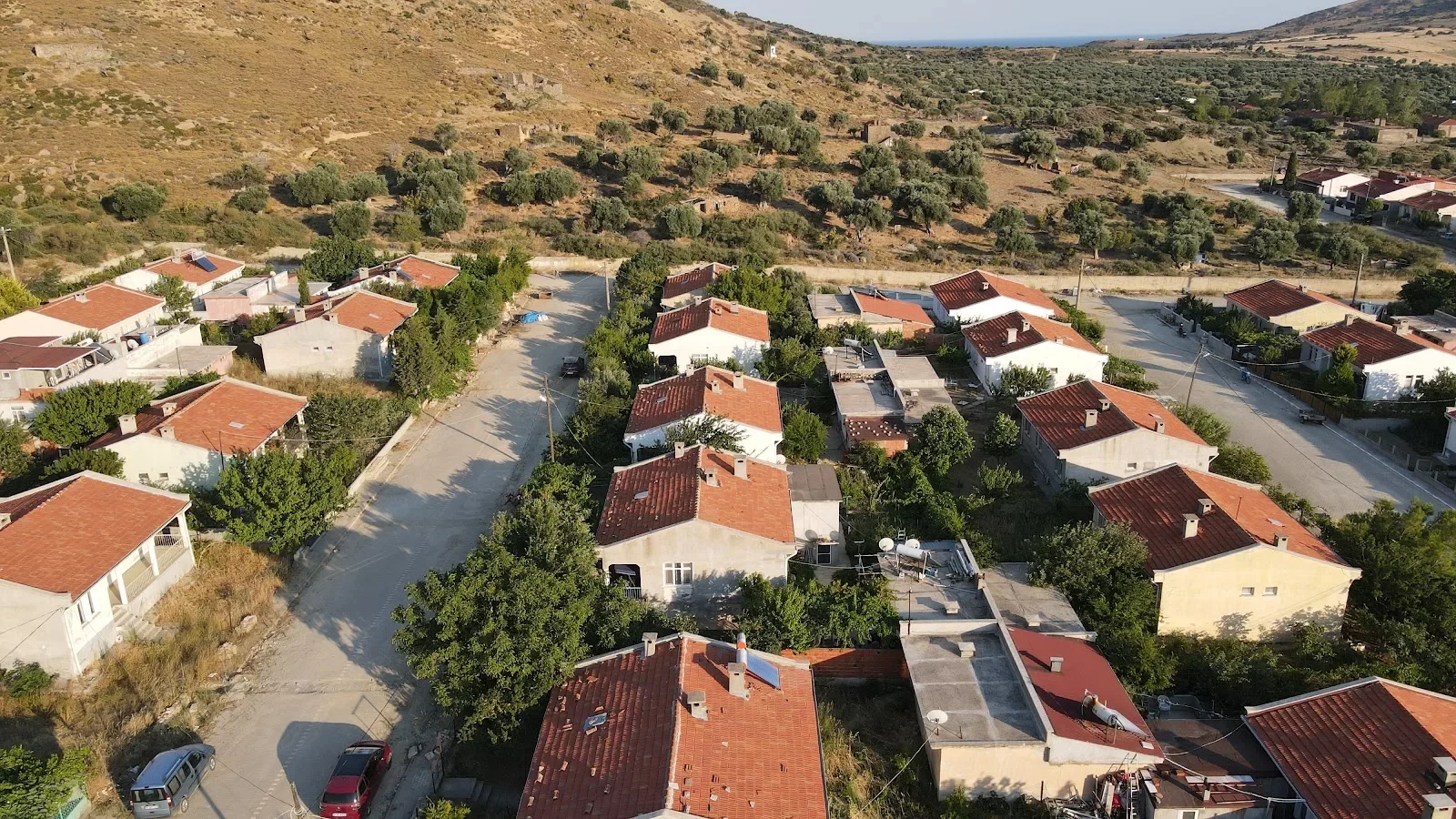
Past Era: Having a more recent history compared to the island's other historical villages, Şirinköy was formed through immigrant settlements during the Republican era and was established as a rural living space based on agriculture and livestock. It embodies a new story of production and neighborliness built by people coming from different regions and connecting with the land.
Present & Tourism: Located in the southwest of Gökçeada, it is a peaceful settlement that stands out with its quiet atmosphere away from the crowds. Unlike other villages with intensive commercial tourism, it is an ideal getaway for those who want to be alone with nature, observe agricultural production firsthand, and experience the island's tranquil village life.
DEREKÖY
DEREKÖY
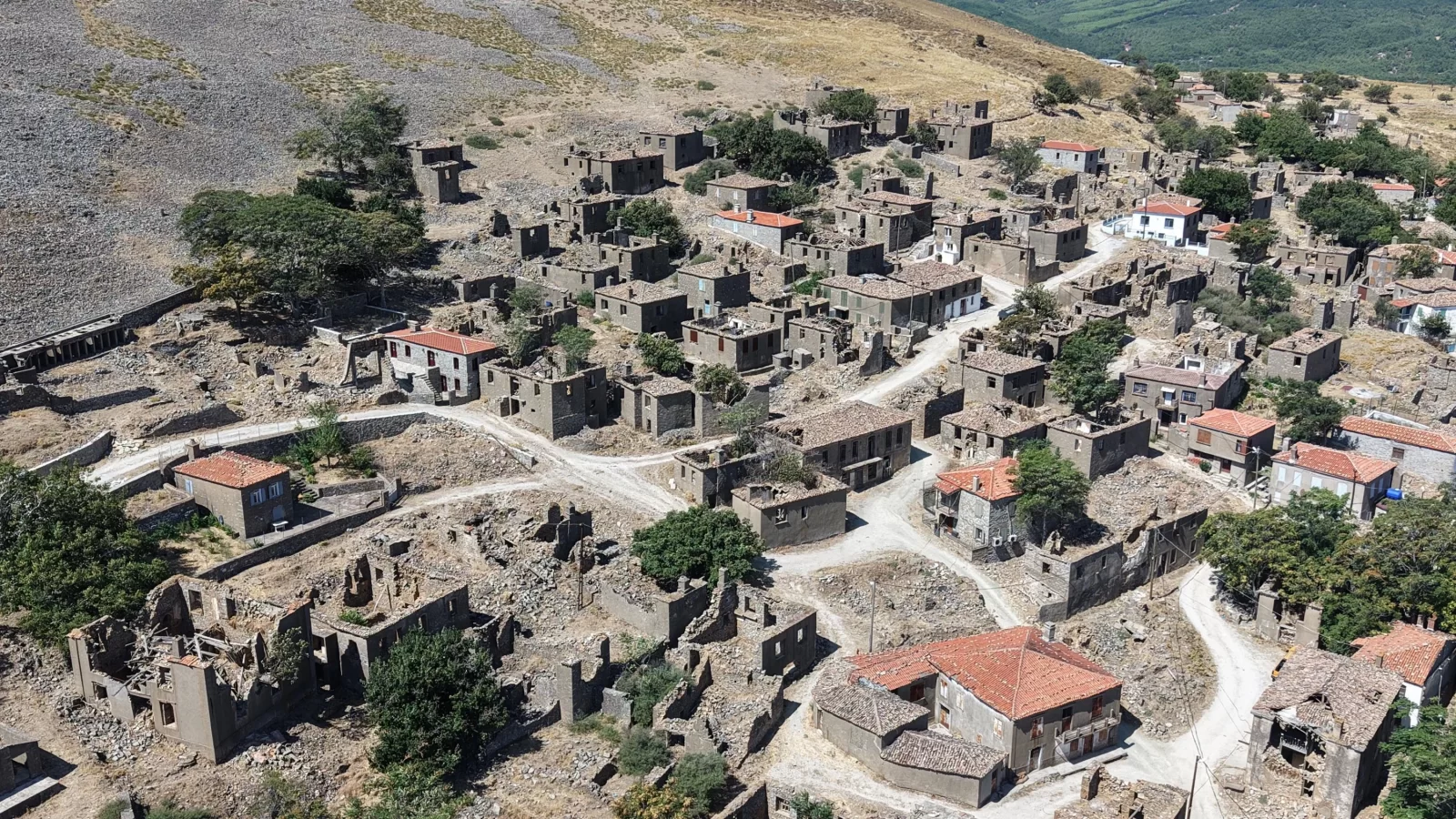
Past Era: Once one of the largest villages in the country, Dereköy was a massive settlement housing thousands, acting as the island's economic engine with its cinemas, schools, olive oil factories, and craft workshops. It was a center where different communities shared a common economic life centered on trade and craftsmanship.
Present & Tourism: Although largely depopulated following migrations, today it captivates visitors with its "ghost village" atmosphere. Its ruined stone structures are a haven for photography. In recent years, with the opening of boutique cafes, workshops, and guesthouses, it has become one of the favorite stops on nostalgic tourism routes.